

 Adventure Tours
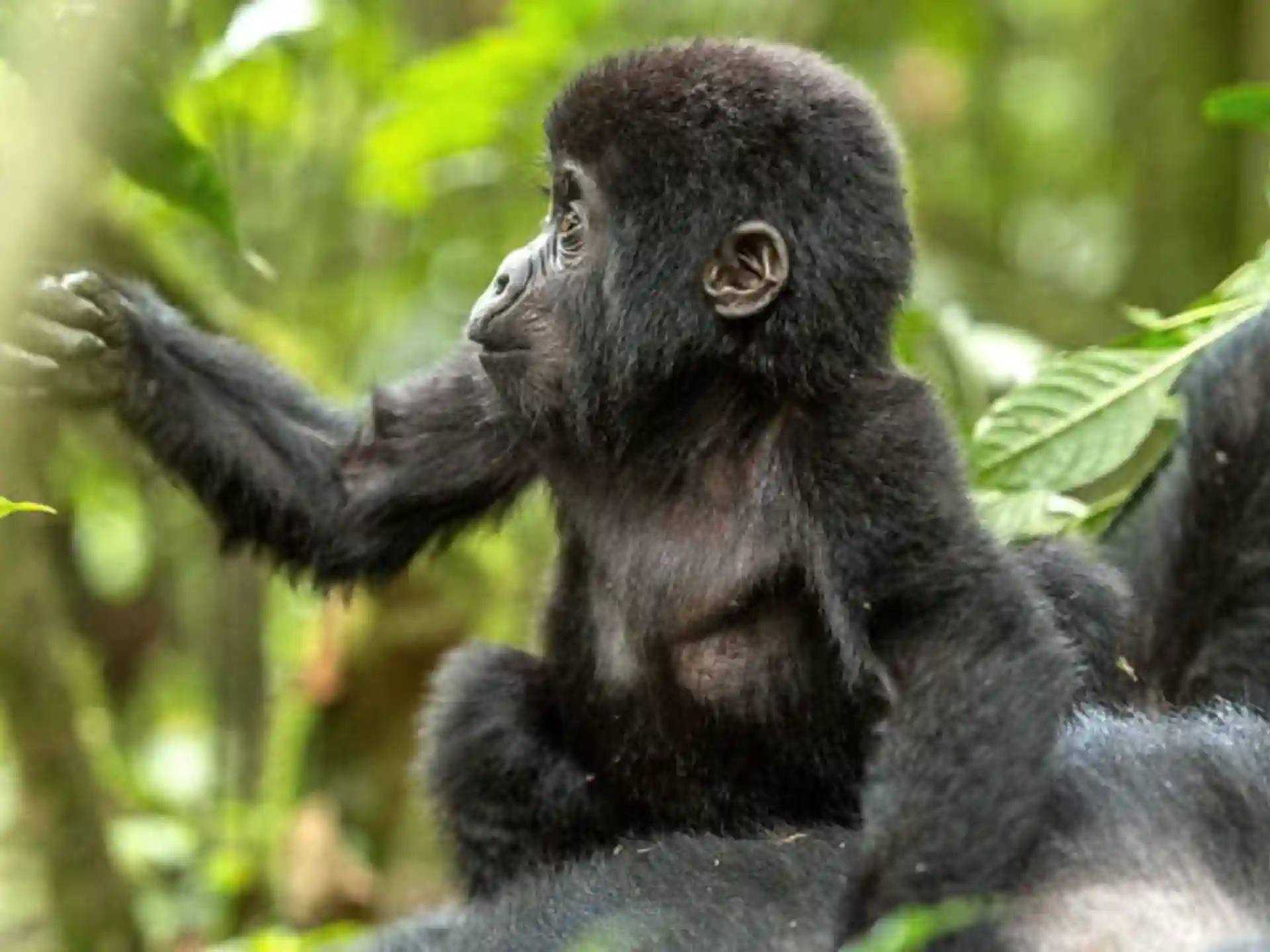
Mountain gorillas are among the most endangered primates in the world and inhabit only a few mountainous regions in Central and East Africa. These rare animals are found in the forests of Bwindi Impenetrable National Park and Mgahinga Gorilla National Park in southwestern Uganda. Outside Uganda, mountain gorillas also live in Volcanoes National Park in Rwanda and within the Virunga Mountains ecosystem of the Democratic Republic of the Congo.
Globally, the population of mountain gorillas is estimated to be around 880 individuals, making conservation efforts extremely important for their survival. Bwindi Impenetrable National Park is considered one of the most significant strongholds for protecting these primates. Its dense rainforest and remote location provide a safe habitat where conservation programs can effectively safeguard the species.

Despite these protections, mountain gorillas still face several threats, including disease, habitat loss, poaching, and human encroachment. To address these challenges, various conservation initiatives have been established in Uganda to ensure the long-term survival of the species.
One important effort involves public health organizations working closely with conservation authorities. These non-profit groups focus on preventing the spread of diseases between humans and gorillas. Since gorillas share a high percentage of genetic similarity with humans, they are highly vulnerable to human illnesses such as respiratory infections. Through community health programs, local residents are encouraged to adopt better hygiene practices and improved healthcare habits, which ultimately protect both people and wildlife.
Education and community outreach are also key components of gorilla conservation. Conservation teams regularly conduct awareness campaigns, health monitoring programs, and surveys to educate local communities about the importance of protecting gorillas and their habitat. These initiatives help build positive relationships between conservationists and the surrounding communities.
Tourism also plays a major role in supporting conservation efforts. Gorilla trekking activities generate significant revenue that helps fund wildlife protection programs and improve park facilities. Strict guidelines are implemented to ensure that visitors do not transmit diseases to the gorillas, including maintaining safe distances and limiting the number of trekkers who can visit each gorilla family per day.

The Uganda Wildlife Authority has also strengthened conservation efforts by increasing funding for wildlife monitoring and gorilla population surveys. In addition, park rangers receive specialized training to combat poaching and illegal wildlife trade. Security within gorilla habitats has been improved, especially in areas near international borders where illegal activities may occur.
Anti-corruption initiatives and strong law enforcement measures are also critical in protecting wildlife resources. By promoting transparency and accountability in conservation programs, Uganda continues to strengthen its ability to safeguard mountain gorillas.
Most importantly, raising awareness about mountain gorillas and encouraging people around the world to support conservation efforts is vital. The more people learn about these incredible animals, the greater the support for protecting their fragile habitats and ensuring their survival for future generations.


